Adriatica Summer School 2026
Pescara, from 31st August to 4th September 2026



We invite applicants to attend Adriatica 2026 on “Brain-Body Interactions and Wellbeing”
Adriatica 2026 invites applications to its summer school by the beach, dedicated to advancing the study of brain–body interactions and their role in perception, cognition, consciousness, social behaviour, and wellbeing.
The 2026 edition focuses on the coupling between neural activity and physiological rhythms, and how these interactions contribute to self-awareness, behaviour, emotion, and health. The programme brings together neuroscience, psychology, neurophysiology, computational science, and physics in a structured interdisciplinary setting for scientific training and exchange.
Participants will engage with research on interoception, bodily self-consciousness, peripersonal space, heart–brain and respiration–brain coupling, social synchrony, predictive processing, and brain–body dynamics across wakefulness, sleep, and altered states of consciousness. Particular attention is given to the role of bodily signals in shaping cognition, agency, social interaction, and mental health, including in clinical populations.
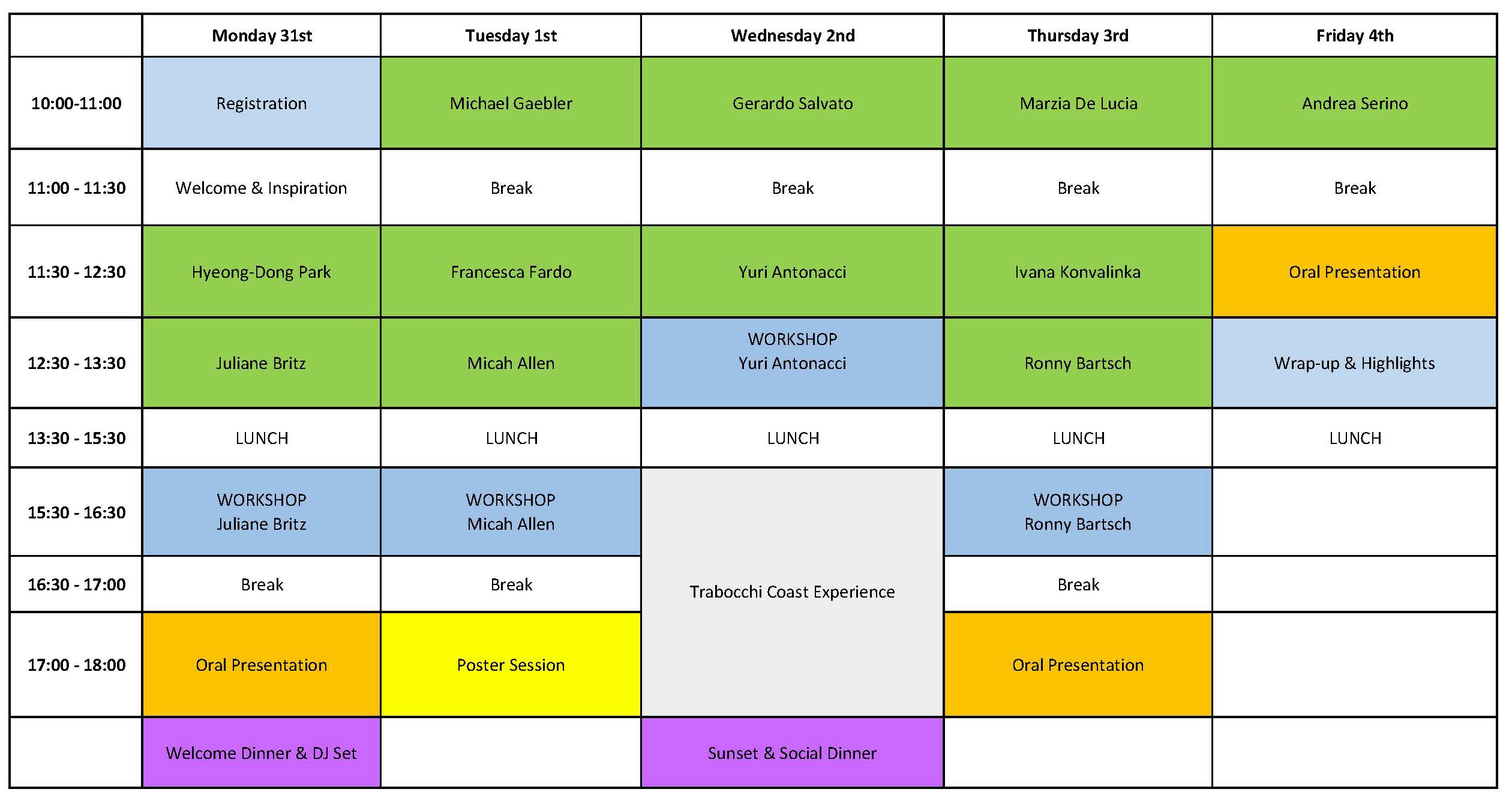
The programme includes lectures by internationally recognized speakers, student oral presentations, poster sessions, and hands-on methodological workshops on physiological networks and multiscale brain–body dynamics. It is designed to foster in-depth discussion, methodological training, and direct interaction between early-career researchers and senior scientists.
Set in a coastal location, Adriatica also includes structured social and networking activities, including excursions along the Trabocchi Coast and a group dinner, aimed at fostering informal scientific exchange and community building.
Applications are now open for Adriatica 2026.
Workshop 1 (Micah Allen)
Title: Psychophysical Measurement and Analysis of Interoception
Interoception research increasingly relies on rigorous psychophysical methods to quantify how individuals perceive and evaluate signals arising from the body. This hands-on workshop will introduce participants to practical approaches for measuring interoception, with an emphasis on experimental design, computational modelling, and interpretation.
The workshop will begin with a brief overview of psychophysical principles and the conceptual challenges involved in measuring interoceptive perception. Participants will then be introduced to the Heart Rate Discrimination (HRD) task as an example of a modern psychophysical approach to cardiac interoception. We will demonstrate how to estimate psychometric functions, interpret perceptual thresholds and precision, and fit both individual-level and hierarchical Bayesian models to HRD data.
The workshop will also introduce RespyrA, an open-source platform for manipulating breathing and measuring respiratory motor control. We will demonstrate how RespyrA can be used to precisely control respiratory perturbations, quantify behavioural responses, and support the development of psychophysical paradigms targeting respiratory perception and action. Additional methods, including the Respiratory Resistance Sensitivity Task (RRST), will be briefly discussed to illustrate the broader landscape of respiratory interoception research.
Where feasible, participants will have the opportunity to experience live demonstrations of these paradigms and work with example datasets. The workshop is intended for researchers with interests spanning interoception, cognitive neuroscience, psychology, physiology, and computational modelling. No prior experience with Bayesian statistics or psychophysics is required. By the end of the session, participants will have a practical understanding of how to design psychophysical interoception experiments, analyse the resulting data, and interpret key model parameters in the context of contemporary brain-body research.
Workshop 2 (Ronny Bartsch)
Title: Physiological Coupling in Practice: From Cardiorespiratory Synchrony to Heart-Brain Interactions
This hands-on tutorial introduces participants to the analysis of coupling between organ systems using real polysomnographic recordings.
Working in a Jupyter notebook (Google Colab, no installation required), participants will extract heart rate and brain wave amplitude from raw ECG and EEG signals, visualize cardiorespiratory coupling via synchrogram analysis, and use Granger causality to detect directed interactions between heart and brain across sleep stages. The session covers the full workflow: signal extraction, stationarity assessment, and interpretation of coupling strength and directionality. The results directly connect to the concepts introduced in the accompanying lecture.
Workshop 3 (Yuri Antonacci)
Title: Information-Theoretic Analysis of Brain and Physiological Systems: Methods and Applications
This workshop introduces information-theoretic tools for extracting and interpreting information from physiological signals, spanning single-system dynamics to interactions among brain and body systems. The first part focuses on event-related responses, showing how information-theoretic measures can complement classical ERP analysis by quantifying the information carried by neural signals about experimental events or physiological states. The second part introduces information-theoretic approaches to characterize the hierarchical organization of physiological networks, both within individual organ systems and across different organ systems. Within the framework of information dynamics, the workshop will present different measures to characterize individual system dynamics, bivariate interactions between pairs of systems, and finally multivariate and higher-order interactions with applications in brain and physiological networks. MATLAB examples will illustrate applications to EEG, cardiovascular, and cardiorespiratory signals, highlighting how information theory can provide a unified framework to study brain-body interactions.
Workshop 4 (Juliane Britz)
Title: Hands-on Tutorial: Assessing the influence of cardiac and respiratory signals on brain activity at the visual threshold
This hands-on tutorial addresses how we can assess the influence of cardiac and respiratory signals on brain activity at the visual threshold based on our recent studies (Leupin and Britz, PNAS (2024), nature Scientific Reports (2025), Brain Topography (2025)).
The first part assesses the creation and generation of visual stimuli that allow you to titrate the discrimination threshold and the common pitfalls (there are many) to avoid. We will focus on which stimulus parameters can be varied continuously to get the desired behavioral criteria and which mistakes to avoid.
The second part focuses on data acquisition and gives you some insight into the magic tricks into getting clean electrophysiological data. They are surprisingly simple but unknown to many researchers.
The third part focuses on analyzing EEG data as a function of cardiac and respiratory signals, and we will see which toolboxes are the most appropriate to do so (MNE and neurokit2) and which ones are less useful. This hands-on tutorial will be less directly hands-on (you won’t get data to play with) and more like an open Q & A in which you can ask everything you always wanted to know about how to make the nitty-gritty underlying the study of sensory threshold stimuli feasible.
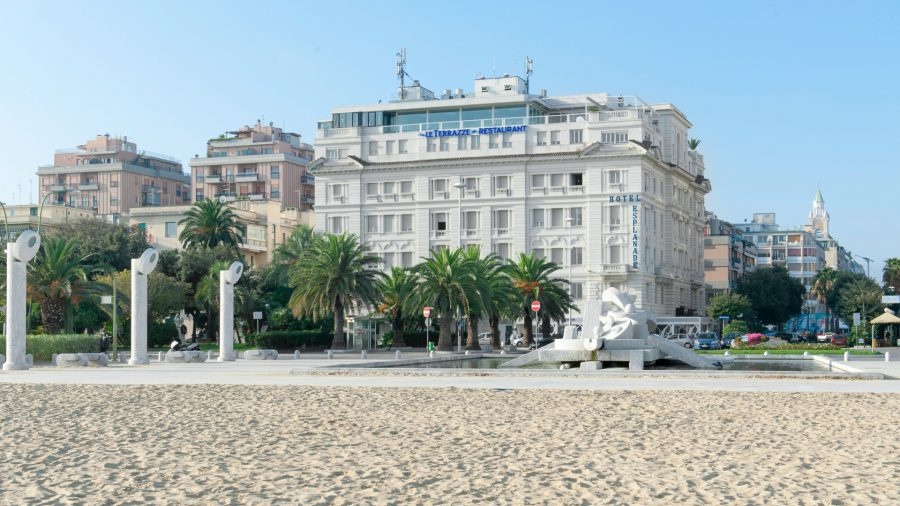
Venue (at the Esplanade Hotel in Pescara)
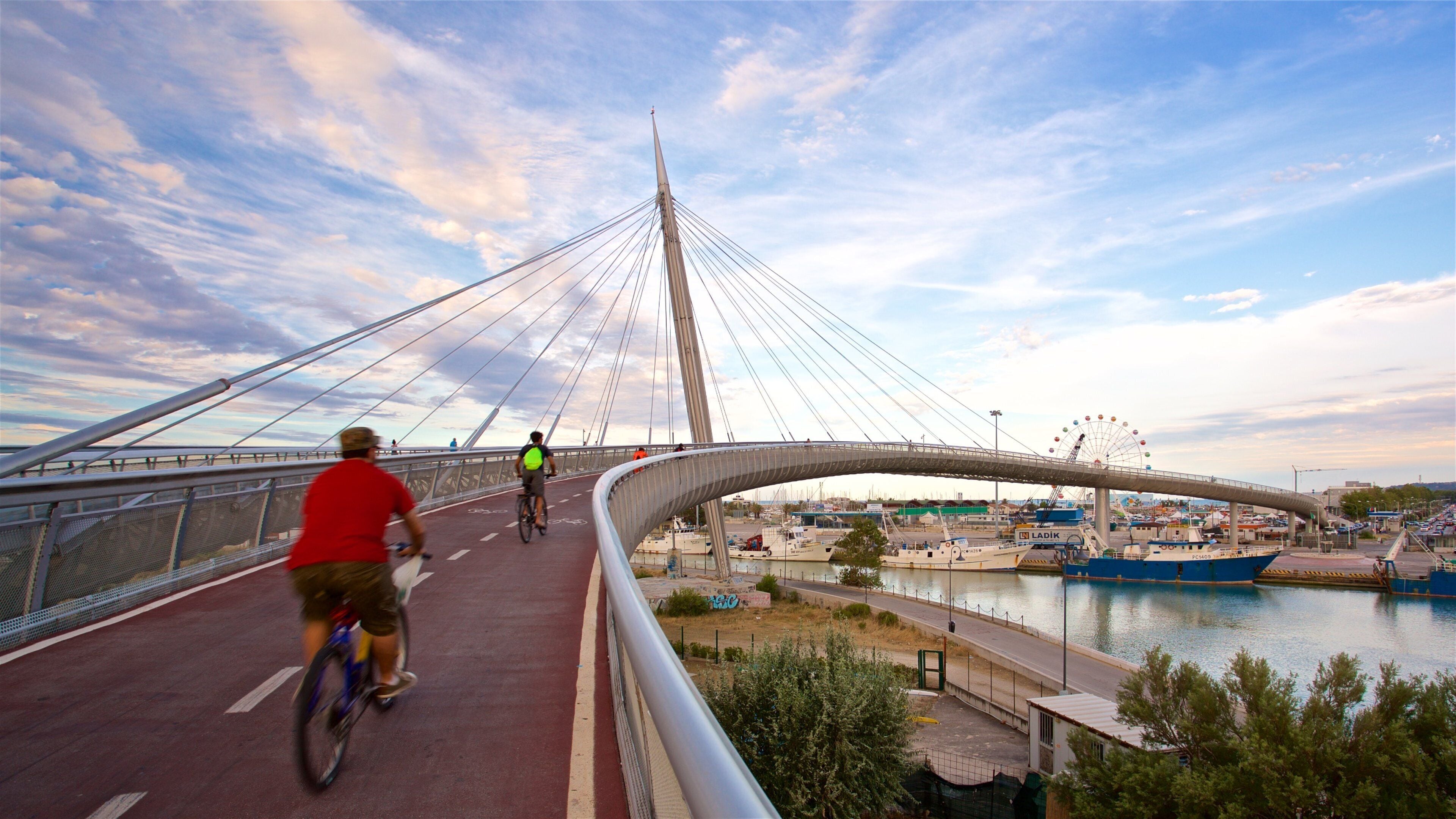
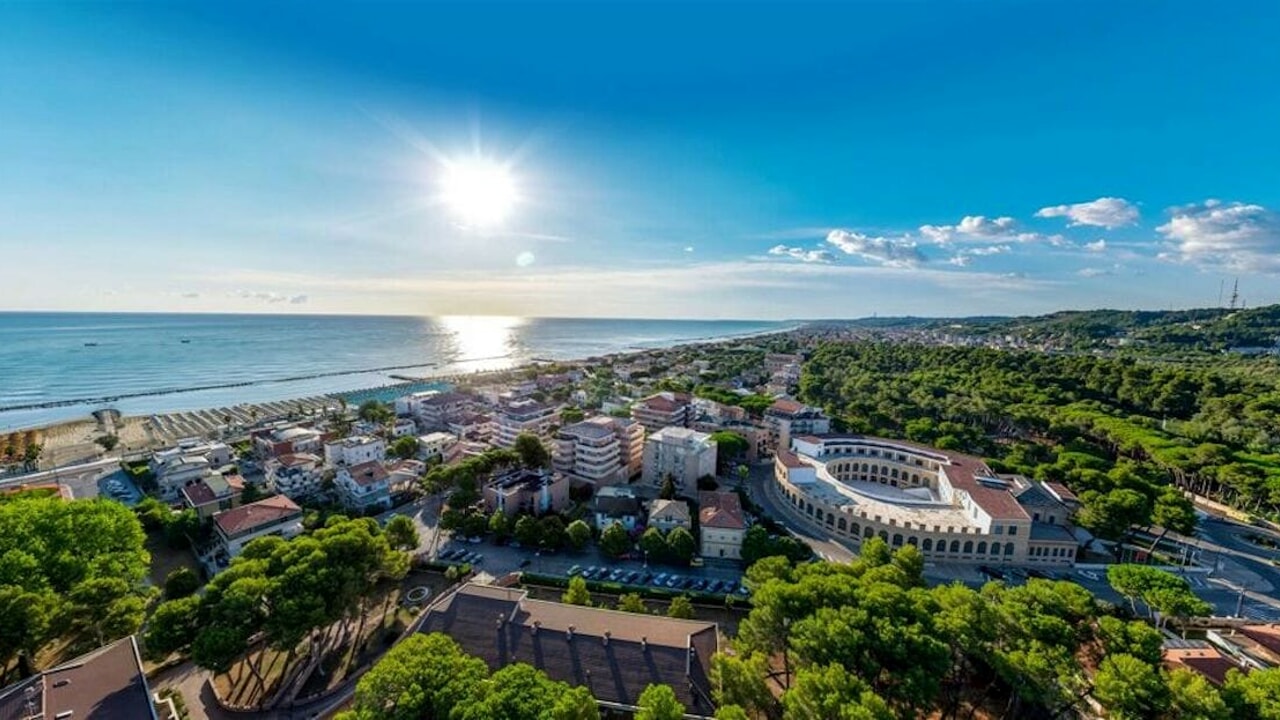
Adriatica 2026 will take place in the Pescara province, Italy, at a wonderful four-star hotel by the Adriatic Sea.


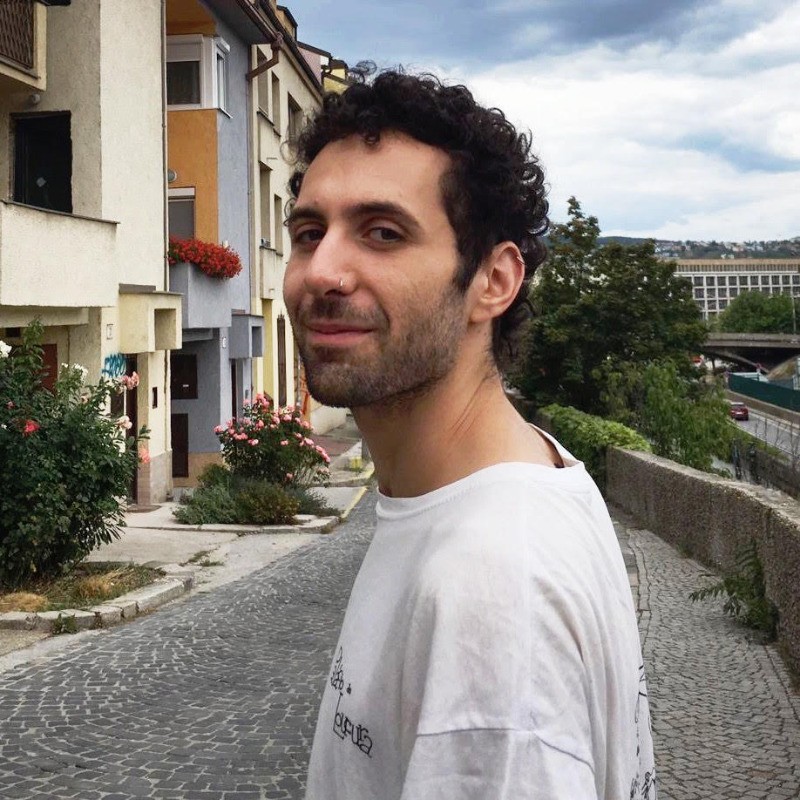
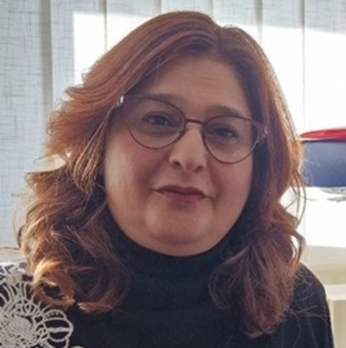
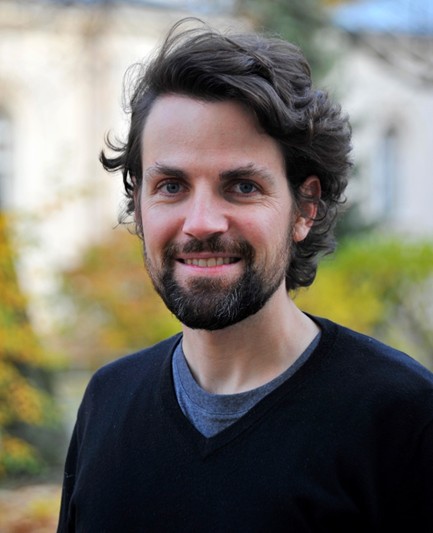
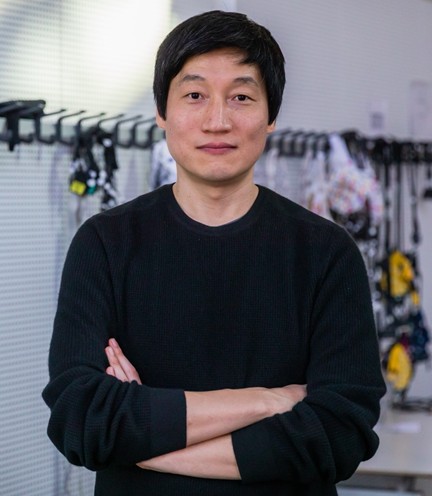
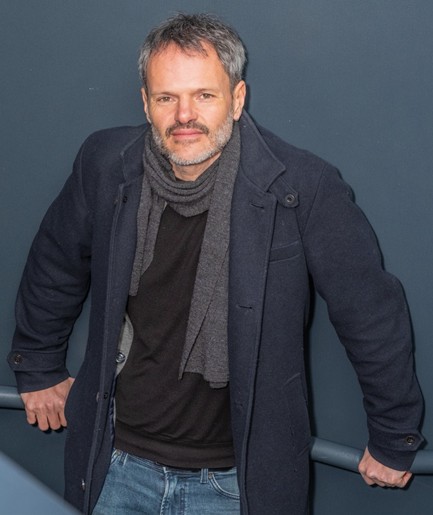
SCIENTIFIC ORGANIZERS
|
|
|
|
|
| Prof. Vittorio Pizzella |
|||
|
|
|
|
|

SPEAKERS
|
|
"From Brain Dynamics to |
|
------------------------------------------------------- |
--------------------------------------------- |
|
"Coexisting Coupling Modes and |
"BBC – Brain, body |
|
------------------------------------------------------- |
---------------------------------------------- |
|
"Cardiac and auditory regularity |
The thermal grill illusion: |
|
------------------------------------------------------- |
---------------------------------------------- |
|
"Heart-brain coupling and |
"Balancing self and other |
|
------------------------------------------------------- |
---------------------------------------------- |
|
"Breathing shapes conscious |
"Interoception as a Multilevel |
|
------------------------------------------------------- |
---------------------------------------------- |
|
"Rethinking Peripersonal Space: |
|
|
------------------------------------------------------- |



FINAL PROGRAM:
 .
.
HOW TO APPLY
Important Dates:
Registration Deadline: Submit by July 31 2026 (€ 400)
Registration Fee Covers:
- Daily coffee breaks and lunches (Monday–Friday)
- Social events on Monday and Thursday nights
- Access to all lectures, symposiums, and workshops
- Trabocchi Coast Experience
Convenient accommodation options are available at the conference location (contact adriatica.summerschool@unich.it for details)
A maximum of 40 students will be accepted. Applications must include: Curriculum vitae and Abstract of your research. Applications will be reviewed by the scientific committee, and accepted applicants will be notified within 10 days of submission. Payment instructions will be provided upon acceptance.
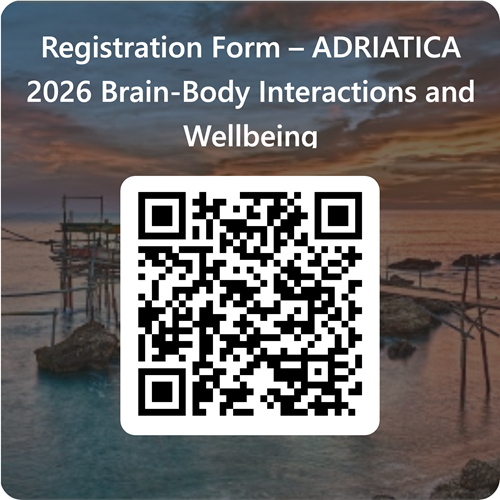
> For further information Please contact adriatica.summerschool@unich.it
Scopri cosa vuol dire essere dell'Ud'A
SEDE DI CHIETI
Via dei Vestini,31
Centralino 0871.3551
SEDE DI PESCARA
Viale Pindaro,42
Centralino 085.45371
email: info@unich.it
PEC: ateneo@pec.unich.it
Partita IVA 01335970693


